
10-step trademark monitoring setup checklist
Master systematic trademark monitoring with our complete 10-step checklist. Audit your portfolio, set alerts, configure databases, and protect your brand effectively. … Read More

Master systematic trademark monitoring with our complete 10-step checklist. Audit your portfolio, set alerts, configure databases, and protect your brand effectively. … Read More
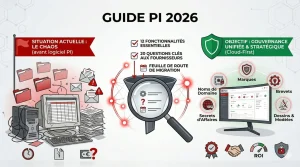
The global IP management software market reached €9.5 billion in 2025 and continues its rapid expansion as organizations recognize that scattered spreadsheets, email chains, and manual filing systems are no longer viable. Whether you manage a handful of trademarks or thousands of patents across multiple jurisdictions, the right IP management

Intangible assets now represent 90% of the market capitalization of the S&P 500 – compared to just 17% in 1975 (source: Ocean Tomo). Yet a study of 1,200 senior managers reveals that 57% report lost time due to inaccurate spreadsheets, and 17% of large enterprises have suffered direct financial losses
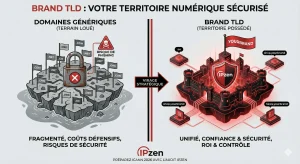
In today’s digital economy, most companies manage their domain names defensively: purchasing hundreds of variants in .com, .net, or country codes (like .fr or .uk) to prevent third parties from using them. This is a cost-based strategy, often perceived as an unavoidable “tax.” However, a silent revolution is underway among

Buying IP management software is the easy part. Making it work effectively with reliable historical data is another challenge entirely. Many law firms and legal departments hesitate to switch tools due to the fear of migration: “My data is scattered,” “I’m afraid of losing history,” “Who is going to re-enter

In a world where corporate value relies increasingly on intangible assets, the rigorous management of trademarks, designs, and domain names has become critical. Complex Excel spreadsheets and scattered paper files are no longer sufficient to meet today’s demands for speed and security. This is where IP management software comes in.

For many legal departments and IP law firms, managing renewals (trademarks, patents, domain names) remains a recurring source of anxiety. Missed deadlines, unclear administrative costs, complex invoice validation… The mental load associated with maintaining IP rights is immense. Yet, many professionals continue to manage these critical processes using Excel spreadsheets
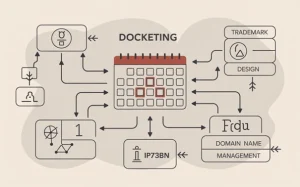
Managing intellectual property deadlines is essential to protecting trademarks, patents, designs, and related agreements. In many organisations, this management is still fragmented, partially documented, or handled with tools that were not designed for legal deadlines. IP docketing, a structured process dedicated to managing deadlines, transforms this administrative constraint into a

When GDPR is mentioned, most intellectual property professionals immediately think of customer data, cookies, or their website’s privacy policies. Yet, the intersection between the General Data Protection Regulation and the daily management of trademark portfolios reveals often overlooked obligations that can expose companies to considerable legal and financial risks. With

In a world where business growth increasingly depends on international visibility, global trademark protection has become a strategic pillar of corporate competitiveness. This article outlines a comprehensive legal and operational approach to building an effective international filing and management strategy, supported by best practices and modern tools such as IPzen.